
One of the most powerful themes in World Peace by Burl Minnis is the idea that global transformation does not require violence, protests, or political reform. Instead, real change can emerge from unified, peaceful participation through established international institutions. Central to this is the Prosecutor’s Office of the International Criminal Court, widely known as the POICC, which becomes the primary channel for contributing to the global call for peace.
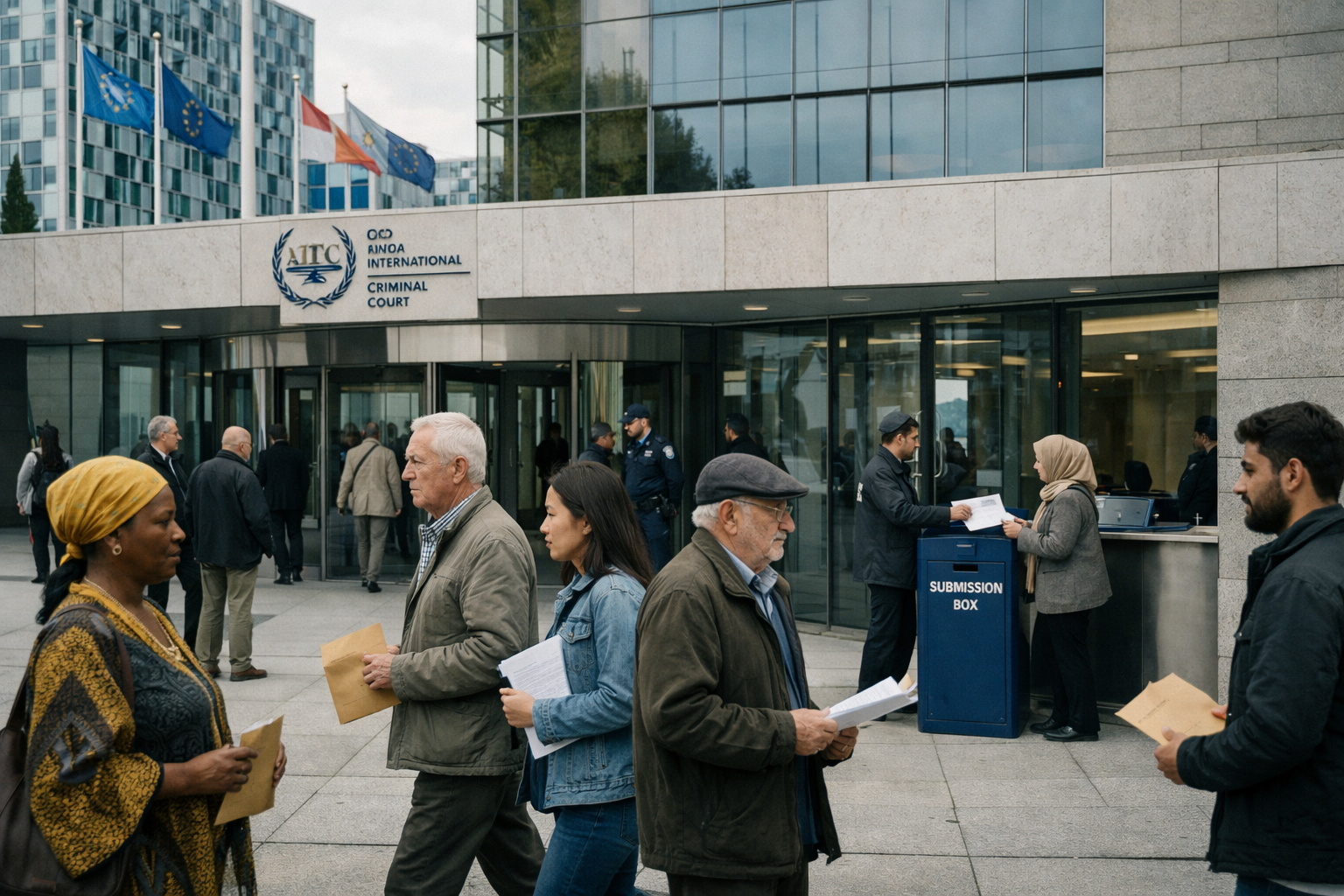
The book explains that under Article 15 of the Rome Statute, the POICC allows individuals around the world to submit information, opinions, and requests for global matters. This is an extraordinary opportunity, because it gives everyday citizens a legitimate voice in shaping international outcomes. The author identifies this as the perfect foundation for collective action, the very thing needed to dismantle the ideological structures that uphold the system of human misery.
By submitting to the POICC, individuals become part of a peaceful and lawful process that represents the will of the majority. According to the book, the global majority already rejects political ideology and the divisions it creates. However, their silence allows systems of ideology to persist. By giving voice to this majority through the POICC, humanity can initiate systemic change that aligns with truth rather than fiction.
This coordinated effort forms the backbone of the emerging global peace movement. It is not built on ideology or political affiliation. Instead, it is grounded in reality, unity, and a shared desire to restore balance to the world. Through these submissions, humanity can request the global abolition of money, thereby removing the keystone of the system of human misery, and opening the door for real humanitarian justice.
The book emphasizes that this action is simple. There is no need for protest or confrontation. There is no need to challenge governments or institutions directly. Instead, individuals simply acknowledge the truth about global systems and formally communicate this to the POICC. When enough voices participate, the process leads to transparency, recognition, and a shift away from ideological governance.
This is also why the book insists that the movement must focus on ending ideology. Without ideology, humanity returns to rationality, cooperation, and shared purpose. The removal of ideological systems allows individuals to regain control of their lives, communities, and destinies. It opens pathways for solutions to emerge naturally rather than through imposed structures.
At its core, this is a message of empowerment. It reveals that world peace is not far away. It does not require centuries of global negotiation or massive social upheaval. It requires recognition, participation, and the collective will to choose reality over fiction. Through unified submissions to the POICC, individuals across the globe can form a single, powerful voice. That voice becomes the catalyst for peace, justice, and the complete transformation of the world system.